
Community Targeted Transitional Support (CTTS)
A financial emergency shouldn't cost you your housing or derail your recovery. CTTS provides short-term help with rent, utilities, dental care, and eye care when you're facing a temporary crisis. We pay vendors directly so you can focus on what matters - staying stable and moving forward.

Financial Support When You Need It Most
Community Targeted Transitional Support (CTTS)
Sometimes the path to recovery hits a roadblock that has nothing to do with treatment. A missed paycheck. An unexpected bill. A security deposit you can't cover. These financial emergencies can derail your progress and put your housing at risk.
That's where CTTS comes in.

What We Offer
CTTS provides short-term financial assistance to help you stay housed and stable while you're working on your recovery. We can help with:
Rental deposits when you're moving to a new place
Rental assistance to catch up on past-due rent
Utility deposits to get services turned on
Utility payments to prevent shut-offs
Dental care that you need to feel confident and healthy
Eye care including glasses and exams
The money goes directly to your landlord, utility company, or healthcare provider—so you can focus on your treatment, not the paperwork.

Who This Helps
CTTS is designed for adults (18 and older) who are:
Currently receiving mental health or substance use treatment at Alliance
Living at or below the federal poverty level
Facing a temporary financial crisis that threatens housing stability
Committed to staying engaged in treatment
You'll need to show that this is a short-term need—not a long-term solution—and have a plan for preventing the same situation from happening again. We'll work with you on that.

How It Works
1. Talk to your clinician: If you're already working with us, start the conversation with your therapist or case manager. They'll help you complete the application and gather the required documents.
2. We explore other options first: TDMHSAS (who funds this program) requires us to check if you can get help from other sources like MIFA or Community Service Agency first. Your clinician will help with this step.
3. We review your application: We'll look at your situation, your treatment compliance, and your plan for staying stable. Most decisions happen quickly.
4. Payments go directly to vendors: If approved, we send payment straight to whoever you owe—your landlord, MLGW, your dentist. You don't handle the money, which keeps things simple and secure.

Important Things to Know
This assistance is temporary—typically up to 7 months—and depends on:
Available funding
Your active participation in treatment
Whether you've received CTTS help before
Your plan to prevent future financial crises
This program works best when you're already stable in treatment and just need help over a specific hurdle.
Questions?
For current Alliance clients: Talk to your clinician or case manager at your next appointment. They'll walk you through the process.
For external or referring agencies: Contact Alice Thompson to discuss eligibility and application requirements. Download our CTTS Application
General questions: Call our main line at 901-369-1410
Need to start treatment first? We offer same-day intakes Monday through Thursday, 8:00-11:00 AM at our Whitney and Broad Avenue locations. No appointment necessary.

This program is funded by the Tennessee Department of Mental Health and Substance Abuse Services
Frequently Asked Questions
What does CTTS at Alliance cover?
CTTS provides short-term financial help for rental deposits, past-due rent, utility deposits and shut-off prevention, dental care, and eye care (including glasses and exams). Payment goes directly to your landlord, MLGW, dentist, or optometrist — never to you. The program protects your housing and treatment progress during a temporary financial emergency.
Who qualifies for Alliance CTTS support?
CTTS serves Alliance clients age 18 or older who are actively in mental health or substance use treatment, living at or below the federal poverty level, and facing a temporary financial crisis that threatens housing stability. You also need a realistic plan to prevent the same situation from recurring after the assistance ends.
How long does CTTS assistance last?
CTTS is short-term, typically up to 7 months. The exact length depends on available funding, your active participation in Alliance treatment, whether you've received CTTS help before, and your plan to prevent future financial crises. CTTS is designed to bridge a temporary gap, not provide ongoing income support.
How do I apply for Alliance CTTS?
Start by talking to your Alliance therapist or case manager. They'll help you complete the CTTS application and gather required documents. TDMHSAS requires Alliance to check other resources first — like MIFA or your Community Service Agency — before approving CTTS. Most decisions are made quickly after the application is complete.
Can I get CTTS if I'm not already an Alliance client?
No. CTTS is built specifically for adults already receiving mental health or substance use treatment at Alliance Healthcare Services. If you need help and aren't currently a client, call (901) 369-1410 to schedule an outpatient intake. Once you're established in treatment, your clinician can help you apply for CTTS.
Available at these clinics:
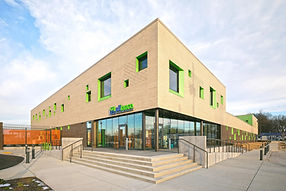
Crisis Wellness Center

Douglass Avenue Clinic

Peabody Avenue Clinic

Winchester Road Clinic

2150 Whitney Avenue Clinic
Services in this Program

Individual Therapy

Peer Support Services
Related Programs

Outpatient Mental Health